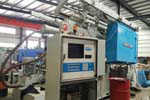
- Manufacturer:
- Frech
- Model:
- DAM 500 S DV
- Size:
- 500 Ton
We Buy and Sell Zamak Die Casting Machines Worldwide
Die Cast Machinery, LLC Buys, Sells, Appraises and Supplies used Zamak diecasting machines worldwide. Zamak die casting machines are used to produce die castings from Zamak 2, Zamak 3, Zamak 5 and Zamak 7 ZA alloys.

- Manufacturer:
- HPM
- Model:
- II-400-Z
- Size:
- 400 Ton
HPM - II-400-Z 400 Ton Horizontal Hot Chamber Zinc (Zamak) High Pressure Die Casting Machine, Allen Bradley SLC 5/03 controls
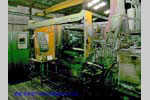
- Manufacturer:
- Idra
- Model:
- OL/MG 320I
- Size:
- 320 Metric Ton
Idra - OL/MG 320I 320 Metric Ton Horizontal Hot Chamber Magnesium High Pressure Die Casting Machine, Siemens controls
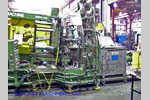
- Manufacturer:
- Prince
- Model:
- 220 HCM
- Size:
- 250 Ton
Prince - 220 HCM 250 Ton Horizontal Hot Chamber Magnesium High Pressure Die Casting Machine, Allen Bradley controls
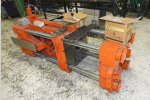
- Manufacturer:
- Frech
- Model:
- DAM 160
- Size:
- 178 Metric Tons (1750 kN or 195 U.S. Ton)
Frech - DAM 160 178 Metric Tons (1750 kN or 195 U.S. Ton) Horizontal Hot Chamber High Pressure Die Casting Machine, Allen Bradley SLC 5/03 PLC Control with 10 controls
- Manufacturer:
- Producer
- Model:
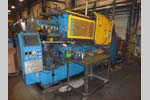
- DH-P150
- Size:
- 175 Metric Ton
Producer - DH-P150 175 Metric Ton Horizontal Hot Chamber Zinc (Zamak) High Pressure Die Casting Machine, Mitsubishi FX2N PLC controls
- Manufacturer:
- Producer
- Model:
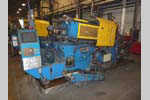
- DH-P80
- Size:
- 95 Metric Ton
Producer - DH-P80 95 Metric Ton Horizontal Hot Chamber Zinc (Zamak) High Pressure Die Casting Machine, Mitsubishi FX2N PLC controls
No machines match these filters.
Recently Sold Zamak Die Casting Machines

- Manufacturer:
- NTP
- Model:
- WEM H 400 M
- Size:
- 4000 kN
NTP - WEM H 400 M 4000 kN Horizontal Hot Chamber Magnesium High Pressure Die Casting Machine, Siemens S-7 PLC controls

- Manufacturer:
- NTP
- Model:
- WEM H 400 M
- Size:
- 4000 kN
NTP - WEM H 400 M 4000 kN Horizontal Hot Chamber Magnesium High Pressure Die Casting Machine, Siemens S-7 PLC controls

- Manufacturer:
- NTP
- Model:
- WEM H 400 M
- Size:
- 4000 kN
NTP - WEM H 400 M 4000 kN Horizontal Hot Chamber Magnesium High Pressure Die Casting Machine, Siemens S-7 PLC controls

- Manufacturer:
- NTP
- Model:
- WEM H 400 M
- Size:
- 4000 kN
NTP - WEM H 400 M 4000 kN Horizontal Cold Chamber Magnesium High Pressure Die Casting Machine, Siemens S-7 PLC controls

- Manufacturer:
- NTP
- Model:
- WEM H 400 M
- Size:
- 4000 kN
NTP - WEM H 400 M 4000 kN Horizontal Hot Chamber Magnesium High Pressure Die Casting Machine, Siemens S-7 PLC controls

- Manufacturer:
- NTP
- Model:
- WEM H 400 M
- Size:
- 4000 kN
NTP - WEM H 400 M 4000 kN Horizontal Hot Chamber Magnesium High Pressure Die Casting Machine, Siemens S-7 PLC controls

- Manufacturer:
- NTP
- Model:
- WEM H 400 M
- Size:
- 4000 kN
NTP - WEM H 400 M 4000 kN Horizontal Hot Chamber Magnesium High Pressure Die Casting Machine, Siemens S-7 PLC controls

- Manufacturer:
- NTP
- Model:
- WEM H 400 M
- Size:
- 4000 kN
NTP - WEM H 400 M 4000 kN Horizontal Hot Chamber Magnesium High Pressure Die Casting Machine, Siemens S-7 PLC controls

- Manufacturer:
- NTP
- Model:
- WEM H 400 M
- Size:
- 4000 kN
NTP - WEM H 400 M 4000 kN Horizontal Hot Chamber Magnesium High Pressure Die Casting Machine, Siemens S-7 PLC controls

- Manufacturer:
- HPM
- Model:
- II-800-Z
- Size:
- 800 Ton
HPM - II-800-Z 800 Ton Horizontal Hot Chamber Zinc (Zamak) High Pressure Die Casting Machine, Allen Bradley controls


- Manufacturer:
- Prince
- Model:
- 629 HC
- Size:
- 650 Ton
Prince - 629 HC 650 Ton Horizontal Hot Chamber Zinc (Zamak) High Pressure Die Casting Machine, Allen Bradley Relay Controls controls

- Manufacturer:
- Ex-Cell-O B&T
- Model:
- Greenlee
- Size:
- 600 Ton
Ex-Cell-O B&T - Greenlee 600 Ton Horizontal Hot Chamber Zinc (Zamak) High Pressure Die Casting Machine, Allen-Bradley SLC 5/03 SLC controls

- Manufacturer:
- HPM
- Model:
- D-600-Z
- Size:
- 600 Ton
HPM - D-600-Z 600 Ton Horizontal Hot Chamber Zinc (Zamak) High Pressure Die Casting Machine, Allen-Bradley PLC 5/20 PLC controls

- Manufacturer:
- Kux-Wickes
- Model:
- BH-600
- Size:
- 600 Ton
Kux-Wickes - BH-600 600 Ton Horizontal Hot Chamber Zinc (Zamak) High Pressure Die Casting Machine, Allen-Bradley PLC 5/20 PLC controls

- Manufacturer:
- Kux-Wickes
- Model:
- BH-600
- Size:
- 600 Ton
Kux-Wickes - BH-600 600 Ton Horizontal Hot Chamber Zinc (Zamak) High Pressure Die Casting Machine, Allen-Bradley PLC 5/20 PLC controls

- Manufacturer:
- Kux-Wickes
- Model:
- BH-600
- Size:
- 600 Ton
Kux-Wickes - BH-600 600 Ton Horizontal Hot Chamber Zinc (Zamak) High Pressure Die Casting Machine, Allen-Bradley PLC 5/20 PLC controls

- Manufacturer:
- HPM
- Model:
- D 600 Z
- Size:
- 600 Ton
HPM - D 600 Z 600 Ton Horizontal Hot Chamber Zinc (Zamak) High Pressure Die Casting Machine, Allen-Bradley SLC 5/03 controls

- Manufacturer:
- HPM
- Model:
- D-600-Z
- Size:
- 600 Ton
HPM - D-600-Z 600 Ton Horizontal Hot Chamber Zinc (Zamak) High Pressure Die Casting Machine, Allen-Bradley PLC 5/20 PLC controls

- Manufacturer:
- Alpha
- Model:
- 600-Z
- Size:
- 600 Ton
Alpha - 600-Z 600 Ton Horizontal Hot Chamber Zinc (Zamak) High Pressure Die Casting Machine, Allen-Bradley PLC 5/20 PLC controls

- Manufacturer:
- Kux-Wickes
- Model:
- BH-600
- Size:
- 600 Ton
Kux-Wickes - BH-600 600 Ton Horizontal Hot Chamber Zinc (Zamak) High Pressure Die Casting Machine, Allen-Bradley PLC 5/20 PLC controls


- Manufacturer:
- HPM
- Model:
- D-600-Z
- Size:
- 600 Ton
HPM - D-600-Z 600 Ton Horizontal Hot Chamber Zinc (Zamak) High Pressure Die Casting Machine, Allen-Bradley PLC 5/20 PLC controls


- Manufacturer:
- Kux-Wickes
- Model:
- BH-600
- Size:
- 600 Ton
Kux-Wickes - BH-600 600 Ton Horizontal Hot Chamber Zinc (Zamak) High Pressure Die Casting Machine, Allen-Bradley SLC 5/03 SLC controls

- Manufacturer:
- Frech
- Model:
- DAW 50 S DCRC
- Size:
- 600 kN
Frech - DAW 50 S DCRC 600 kN Horizontal Hot Chamber Zinc (Zamak) High Pressure Die Casting Machine, Frech Data controls

- Manufacturer:
- Frech
- Model:
- DAW 50 S DCRC
- Size:
- 600 kN
Frech - DAW 50 S DCRC 600 kN Horizontal Hot Chamber Zinc (Zamak) High Pressure Die Casting Machine, Frech Data controls

- Manufacturer:
- Prince
- Model:
- 528 HCM
- Size:
- 500 Ton
Prince - 528 HCM 500 Ton Horizontal Hot Chamber Magnesium High Pressure Die Casting Machine, Allen Bradley PLC controls
- Manufacturer:
- Prince
- Model:
- 528 HCM
- Size:
- 500 Ton
Prince - 528 HCM 500 Ton Horizontal Hot Chamber Magnesium High Pressure Die Casting Machine, Allen Bradley PLC controls


- Manufacturer:
- Kux-Wickes
- Model:
- BH-400
- Size:
- 400 Ton
Kux-Wickes - BH-400 400 Ton Horizontal Hot Chamber Zinc (Zamak) High Pressure Die Casting Machine, Allen Bradley controls

- Manufacturer:
- HPM
- Model:
- II-400-Z
- Size:
- 400
HPM - II-400-Z 400 Horizontal Hot Chamber Zinc (Zamak) High Pressure Die Casting Machine, Allen Bradley controls

- Manufacturer:
- HPM
- Model:
- II-400-Z
- Size:
- 400 Ton
HPM - II-400-Z 400 Ton Horizontal Hot Chamber Zinc (Zamak) High Pressure Die Casting Machine, Allen Bradley controls

- Manufacturer:
- HPM
- Model:
- II-400-Z
- Size:
- 400 Ton
HPM - II-400-Z 400 Ton Horizontal Hot Chamber Zinc (Zamak) High Pressure Die Casting Machine, Allen Bradley controls

- Manufacturer:
- Prince
- Model:
- 250 HCM
- Size:
- 250 Ton
Prince - 250 HCM 250 Ton Horizontal Hot Chamber Zinc (Zamak) High Pressure Die Casting Machine, Allen Bradley controls
- Manufacturer:
- Prince
- Size:
- 250 Ton
DCM-1453 250, 1994

- Manufacturer:
- Frech
- Model:
- DAW 20 S DCRC
- Size:
- 240 kN
Frech - DAW 20 S DCRC 240 kN Horizontal Hot Chamber Zinc (Zamak) High Pressure Die Casting Machine, Frech Data controls

- Manufacturer:
- Frech
- Model:
- DAW 20 S DCRC
- Size:
- 240 kN
Frech - DAW 20 S DCRC 240 kN Horizontal Hot Chamber Zinc (Zamak) High Pressure Die Casting Machine, Frech Data controls

- Manufacturer:
- Birch
- Model:
- BH-225
- Size:
- 225 Ton
Birch - BH-225 225 Ton Horizontal Hot Chamber Zinc (Zamak) High Pressure Die Casting Machine, Relay controls

- Manufacturer:
- Frech
- Model:
- DAM 200 S
- Size:
- 224 Metric Ton (2200 Kn) 246 U.S. Tons
Frech - DAM 200 S 224 Metric Ton (2200 Kn) 246 U.S. Tons Horizontal Hot Chamber Zinc (Zamak) High Pressure Die Casting Machine, Allen Bradley ControLogix with PanelView Plus 1000 HMI controls

- Manufacturer:
- Frech
- Model:
- DAM 200
- Size:
- 224 Metric Tons (2200 kN or 246 U.S. Ton)
Frech - DAM 200 224 Metric Tons (2200 kN or 246 U.S. Ton) Horizontal Hot Chamber Magnesium High Pressure Die Casting Machine, Frech controls

- Manufacturer:
- Frech
- Model:
- DAW 200 F RC
- Size:
- 220 Metric Ton
Frech - DAW 200 F RC 220 Metric Ton Horizontal Hot Chamber Zinc (Zamak) High Pressure Die Casting Machine, Frech Datadialog controls

- Manufacturer:
- Frech
- Model:
- DAW 200S DCRC
- Size:
- 220 Metric Ton
DCM-2240 DAW 200S DCRC, Hot Chamber Zinc

- Manufacturer:
- Kux-Wickes
- Model:
- BH 200
- Size:
- 200 Ton
Kux-Wickes - BH 200 200 Ton Horizontal Hot Chamber Zinc (Zamak) High Pressure Die Casting Machine, Allen Bradley controls

- Manufacturer:
- Frech
- Model:
- DAM 160
- Size:
- 178 Metric Tons (1750 kN or 195 U.S. Ton)
Frech - DAM 160 178 Metric Tons (1750 kN or 195 U.S. Ton) Horizontal Hot Chamber Magnesium High Pressure Die Casting Machine, Frech controls

- Manufacturer:
- DTI - American
- Model:
- 150 Z
- Size:
- 150 Ton
DTI - American - 150 Z 150 Ton Horizontal Hot Chamber Zinc (Zamak) High Pressure Die Casting Machine, Allen Bradley controls


- Manufacturer:
- Italpresse
- Model:
- IPZ 130
- Size:
- 130 Metric Ton
Italpresse - IPZ 130 130 Metric Ton Horizontal Hot Chamber Zinc (Zamak) High Pressure Die Casting Machine, Allen Bradley Model SLC 5/03 Solid State Control controls

- Manufacturer:
- Idra
- Model:
- OLZ 125
- Size:
- 110 Metric Ton
Idra - OLZ 125 110 Metric Ton Horizontal Hot Chamber Zinc (Zamak) High Pressure Die Casting Machine, Allen Bradley controls

- Manufacturer:
- Techmire
- Model:
- 88 MGXR (8x8)
- Size:
- 88 65 Ton
Techmire - 88 MGXR (8x8) 88 65 Ton Four Slide - Multi-Slide Hot Chamber Magnesium High Pressure Die Casting Machine Die Cast Maching, Techmire controls

- Manufacturer:
- Frech
- Model:
- DAW 63
- Size:
- 68 Metric Ton
Frech - DAW 63 68 Metric Ton Horizontal Hot Chamber Zinc (Zamak) High Pressure Die Casting Machine, Frech Data controls

- Manufacturer:
- Techmire
- Model:
- 66NT (6x6)
- Size:
- 66 NT
Techmire - 66NT (6x6) 66 NT Multi-slide Hot Chamber Miniature Zinc (Zamak) High Pressure Die Casting Machine, Techmire NT controls

- Manufacturer:
- National
- Model:
- H-55-ZX
- Size:
- 65 Ton
National - H-55-ZX 65 Ton Horizontal Hot Chamber Zinc (Zamak) High Pressure Die Casting Machine, Allen Bradley SLC 5/03 SLC controls

- Manufacturer:
- National
- Model:
- H-55-ZX
- Size:
- 65 Ton
National - H-55-ZX 65 Ton Horizontal Hot Chamber Zinc (Zamak) High Pressure Die Casting Machine, Allen Bradley SLC 5/03 SLC controls

- Manufacturer:
- National
- Model:
- H-55-ZX
- Size:
- 65 Ton
National - H-55-ZX 65 Ton Horizontal Hot Chamber Zinc (Zamak) High Pressure Die Casting Machine, Allen-Bradley SLC 5/03 SLC controls

- Manufacturer:
- National
- Model:
- Model H-50ZX-V
- Size:
- 65 Ton
National - Model H-50ZX-V 65 Ton Horizontal Hot Chamber Zinc (Zamak) High Pressure Die Casting Machine, Allen Bradley controls

- Manufacturer:
- National
- Model:
- H-50ZX-V
- Size:
- 65 Ton
DCM-1331 Model H-50ZX-V, Vector Lock 64.8 ton, Hot Chamber Zinc

- Manufacturer:
- National
- Size:
- 64
DCM-1457 H-50-ZX Hot Chamber Die Cast Machine, New 1988

- Manufacturer:
- Frech
- Model:
- DAW 40
- Size:
- 48 Metric Ton
Frech - DAW 40 48 Metric Ton Horizontal Hot Chamber Zinc (Zamak) High Pressure Die Casting Machine, Frech Data controls

- Manufacturer:
- Techmire
- Model:
- 66Z
- Size:
- 45 Ton
Techmire - 66Z 45 Ton Multi-slide Hot Chamber Miniature Zinc (Zamak) High Pressure Die Casting Machine, Techmire controls

- Manufacturer:
- Techmire
- Model:
- 66NT (6x6)
- Size:
- 45 US Ton
Techmire - 66NT (6x6) 45 US Ton Multi-slide Hot Chamber Miniature Zinc (Zamak) High Pressure Die Casting Machine, Techmire NT controls

- Manufacturer:
- Techmire
- Model:
- 66NT (6x6)
- Size:
- 45 US Ton
Techmire - 66NT (6x6) 45 US Ton Multi-slide Hot Chamber Miniature Zinc (Zamak) High Pressure Die Casting Machine, Techmire NT controls

- Manufacturer:
- DTI
- Model:
- 35
- Size:
- 35 Ton
DTI - 35 35 Ton Horizontal Hot Chamber Zinc (Zamak) High Pressure Die Casting Machine, Allen Bradley controls

- Manufacturer:
- Techmire
- Model:
- 44H CSS-01
- Size:
- 24 US Tons
Techmire - 44H CSS-01 24 US Tons Multi-slide Hot Chamber Miniature Zinc (Zamak) High Pressure Die Casting Machine, Allen Bradley SLC 5/03 Solid State controls

- Manufacturer:
- Techmire
- Model:
- 44H CSS-01
- Size:
- 24 US Tons
Techmire - 44H CSS-01 24 US Tons Multi-slide Hot Chamber Miniature Zinc (Zamak) High Pressure Die Casting Machine

- Manufacturer:
- Dynacast
- Model:
- MK-III-IB
- Size:
- 22
Dynacast - MK-III-IB 22 Multi-slide Hot Chamber Miniature Zinc (Zamak) High Pressure Die Casting Machine

- Manufacturer:
- Techmire
- Model:
- 22H (2x2)
- Size:
- 22 H, 8 Metric Ton
Techmire - 22H (2x2) 22 H, 8 Metric Ton Multi-slide Hot Chamber Miniature Zinc (Zamak) High Pressure Die Casting Machine, Techmire controls

- Manufacturer:
- Techmire
- Model:
- 44H
- Size:
- 18 Metric Ton
Techmire - 44H 18 Metric Ton Multi-slide Hot Chamber Miniature Zinc (Zamak) High Pressure Die Casting Machine, Techmire controls


- Manufacturer:
- Techmire
- Model:
- 44ZNT
- Size:
- 18 Metric Ton
Techmire - 44ZNT 18 Metric Ton Multi-slide Hot Chamber Miniature Zinc (Zamak) High Pressure Die Casting Machine, Techmire controls

- Manufacturer:
- Techmire
- Model:
- 44NT
- Size:
- 18 Metric Ton
Techmire - 44NT 18 Metric Ton Multi-slide Hot Chamber Miniature Zinc (Zamak) High Pressure Die Casting Machine, Techmire controls

- Manufacturer:
- Techmire
- Model:
- 44NT
- Size:
- 18 Metric Ton
Techmire - 44NT 18 Metric Ton Multi-slide Hot Chamber Miniature Zinc (Zamak) High Pressure Die Casting Machine, Techmire controls

- Manufacturer:
- Techmire
- Model:
- 44NT
- Size:
- 18 Metric Ton
Techmire - 44NT 18 Metric Ton Multi-slide Hot Chamber Miniature Zinc (Zamak) High Pressure Die Casting Machine, Techmire controls

- Manufacturer:
- Techmire
- Model:
- 44NT
- Size:
- 18 Metric Ton
DCM-2170 44NT Hot Chamber Zinc 4x4 Machine

- Manufacturer:
- Techmire
- Model:
- 44NT
- Size:
- 18 Metric Ton
DCM-2169 44NT Hot Chamber Zinc 4x4 machine

- Manufacturer:
- Techmire
- Model:
- 22H
- Size:
- 8 ton
Techmire - 22H 8 ton Multi-slide Hot Chamber Miniature Zinc (Zamak) High Pressure Die Casting Machine, Techmire controls

- Manufacturer:
- Techmire
- Model:
- 22Z
- Size:
- 8 ton
Techmire - 22Z 8 ton Multi-slide Hot Chamber Miniature Zinc (Zamak) High Pressure Die Casting Machine, Techmire controls

- Manufacturer:
- Techmire
- Model:
- 22H
- Size:
- 8 Metric Ton
DCM-2633 22H, Hot Chamber Die Casting Machine

- Manufacturer:
- Techmire
- Model:
- 22H
- Size:
- 8 Metric Ton
Techmire - 22H 8 Metric Ton Multi-slide Hot Chamber Miniature Zinc (Zamak) High Pressure Die Casting Machine, Techmire controls

- Manufacturer:
- Techmire
- Model:
- 22H
- Size:
- 8 Metric Ton
Techmire - 22H 8 Metric Ton Multi-slide Hot Chamber Miniature Zinc (Zamak) High Pressure Die Casting Machine, Techmire controls
- Manufacturer:
- Techmire
- Model:
- 22H
- Size:
- 8 Metric Ton
Techmire - 22H 8 Metric Ton Multi-slide Hot Chamber Miniature Zinc (Zamak) High Pressure Die Casting Machine, Techmire controls

- Manufacturer:
- Techmire
- Model:
- 22H
- Size:
- 8 Metric Ton
Techmire - 22H 8 Metric Ton Multi-slide Hot Chamber Miniature Zinc (Zamak) High Pressure Die Casting Machine, Techmire controls
- Manufacturer:
- Techmire
- Model:
- 22NT (22 or 2x2 or 2 x 2)
- Size:
- 7.9 ton
Techmire - 22NT (22 or 2x2 or 2 x 2) 7.9 ton Multi-slide Hot Chamber Miniature Zinc (Zamak) High Pressure Die Casting Machine, Techmire controls

- Manufacturer:
- Techmire
- Model:
- 24NTX
- Size:
- 7 Metric Ton
DCM-2635 24 NTX Hot Chamber Zinc

- Manufacturer:
- Techmire
- Model:
- 22NT
- Size:
- 7 Metric Ton
DCM-2634 22 NT Hot Chamber Zinc

- Manufacturer:
- Techmire
- Model:
- 24NTX
- Size:
- 7 Metric Ton
Techmire - 24NTX 7 Metric Ton Multi-slide Hot Chamber Miniature Zinc (Zamak) High Pressure Die Casting Machine, Techmire controls

- Manufacturer:
- Techmire
- Model:
- 22NT
- Size:
- 7 Metric Ton
Techmire - 22NT 7 Metric Ton Multi-slide Hot Chamber Miniature Zinc (Zamak) High Pressure Die Casting Machine, Techmire controls

- Manufacturer:
- Complete Factory
- Size:
- 1
DCM-2799 Complete Zinc (Zamak) Die Casting Factory

- Manufacturer:
- Techmire
- Model:
- Techmire Mechanical Parts
Techmire - Techmire Mechanical Parts Multi-slide Hot Chamber Miniature Zinc (Zamak) High Pressure Die Casting Machine
- Manufacturer:
- Triad Speedcaster
- Model:
- Speedcaster
- Size:
- Metric Ton
Triad Speedcaster - Speedcaster Metric Ton Multi-slide Hot Chamber Miniature Zinc (Zamak) High Pressure Die Casting Machine

- Manufacturer:
- Dynacast
- Model:
- MK-III-IB
Dynacast - MK-III-IB Multi-slide Hot Chamber Miniature Zinc (Zamak) High Pressure Die Casting Machine

- Manufacturer:
- Triad Speedcaster
- Model:
- Stroh Controls
- Size:
- Metric Ton
Triad Speedcaster - Stroh Controls Metric Ton Horizontal Hot Chamber Zinc (Zamak) High Pressure Die Casting Machine, Allen Bradley controls

- Manufacturer:
- Frech
- Model:
- DAW 63
- Size:
- Metric Ton
Frech - DAW 63 Metric Ton Horizontal Hot Chamber Zinc (Zamak) High Pressure Die Casting Machine, Frech Data controls
- Manufacturer:
- Techmire
- Model:
- 66NT
- Size:
- Metric Ton
Techmire - 66NT Metric Ton Multi-slide Hot Chamber Miniature Zinc (Zamak) High Pressure Die Casting Machine, Techmire controls
- Manufacturer:
- Techmire
- Model:
- 66NT
- Size:
- Metric Ton
Techmire - 66NT Metric Ton Multi-slide Hot Chamber Miniature Zinc (Zamak) High Pressure Die Casting Machine, Techmire controls
No sold machines match these filters.
We Specialize in the Purchase and Sale of Used Zamak Die Casting Machines
What is Zamak Die Casting?
Zamak die casting is the process where the injection system is immersed in pool of molten zamak metal. The furnace is designed as an integral part of the machine and is attached via a feeding system called a gooseneck. This section fills with molten metal and a plunger forces it through a nozzle and into the die. Once the metal solidifies, the die will open, the part is ejected, and the process repeats. This die casting process is only suitable for alloys that do not corrode the injection cylinder such as Zamak
What are the Advantages of the Zamak Die Casting Process?
Zamak die casting offers several advantages; the ability to cast complex parts, fast cycle times (up to 1,000 cycles per hour), secondary machining is minimized or eliminated, and zamak machines can be fully automated which reduces labor costs.
How much does a Zamak Die Casting Machine cost?
Call, email or use our RFQ system for prices on any of our Zamak die casting machines. We are here to help! We carry Zamak die cast machines from some of the most popular manufacturers including; Techmire, Frech, Italpresse, Idra, Triulzi; EMB, Urpe, Avnet Machinery, Horla, Techmire, Prince, HPM, B&T, National, DTI, Hishinuma, Fishercast, Harvill, Dynacast and LK.