- Manufacturer:
- Ube
- Model:
- 800 HVSC
- Size:
- 800 Metric Ton
Semi-Solid, Slurry and Metal Matrix Composite (MMC) Die Casting Machines for Sale
We Buy, Sell and are a Supplier of used Semi-Solid, Slurry Cast, Liquid Metal and Metal Matrix Composite cold chamber high pressure die casting (HPDC) machines for the production of heat treatable high integrity structural die castings. Major European manufacturers include: Buhler, Idra, Italpresse, from North America: Prince and THT; from Asia: Ube and Toshiba.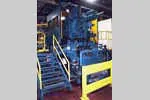
- Manufacturer:
- Ube
- Model:
- 800 HVSC
- Size:
- 800 Metric Ton
Ube - 800 HVSC 800 Metric Ton Horizontal Clamp Vertical Shot (HVSC) Cold Chamber Aluminum Squeeze Cast/Semi-Solid Die Casting Machine, Allen Bradley controls
No machines match these filters.
Recently Sold Semi-Solid Machines

- Manufacturer:
- Ube
- Model:
- 800 HVSC
- Size:
- 800 Metric Ton
Ube - 800 HVSC 800 Metric Ton Horizontal Clamp Vertical Shot (HVSC) Cold Chamber Aluminum Squeeze Cast/Semi-Solid Die Casting Machine, Allen Bradley PLC controls

- Manufacturer:
- Buhler
- Model:
- Evolution SC N/34
- Size:
- 342 Metric Tons (376 US Tons)
Buhler - Evolution SC N/34 342 Metric Tons (376 US Tons) Horizontal Cold Chamber Aluminum/Magnesium Capable High Pressure Die Casting Machine, Buhler DataNet controls
No sold machines match these filters.
Machines for Semi-Solid (SSM), Slurry, Metal Matrix Composite (MMC) and Rheocast Processes
We buy and sell specialty machinery for the Semi-Solid (SSM), Slurry, Metal Matrix Composite (MMC) and Rheocasting die casting processes. In addition to the die casting machines we also sell support equipment such as slurry on demand and induction heaters for pre-cast billets (slugs). We are experienced in the sale of die casting machinery and equipment used in the exotic die casting processes. This is one of the fastest growing areas of die casting. These processes allow the casting of materials that can not be cast successfully in the traditional die casting processes or offer enhanced quality or productivity as compared to other traditional die casting processes or other manufacturing techniques. As an example, the semi-solid casting process has made casting heat treatable components for the steering, suspension and braking systems for the automotive industry a reality.
There are several casting processes that are covered under the term Semi-solid, they include Thixocasting, Rheocasting and Thixomolding. The semi-solid die casting process has several advantages including: Complex parts can be produced at near net shape, very low levels of porosity, excellent mechanical performance, pressure tightness, tight tolerances can be held, thin walls and perhaps most importantly heat treatable castings to T4, T5 or T6 standards.
The design of machines used in these processes vary widely in design. Major machine designs include: HVSC machines (horizontal clamp with vertical docking injection units. HVSC machines have a traditional horizontal clamping system but the injection units sits under the die casting machine between the moving and stationary platens; every cycle of the machine the injection unit "docks" with the die and the injection takes place in the vertical direction on the parting line of the die. Major producers of this type of machine include Ube and Prince Machinery (now Buhler Prince). V V C machines (vertical clamp, vertical shot) machines have a vertical clamping system (the die open and closes in the vertical axis) and the injection is also in the vertical axis. The technique was first pioneered by the Kux Die Casting Machine Company in the 1950's. It was originally designed to produce castings with reduced porosity. More recently the designed has been improved by both Ube Machinery and Prince Machinery (now Buhler Prince). Another technology is the Thixomolding process for Magnesium. In this process the casting machine looks very much like a plastic injection molding machine except that the heated barrel is fed with fine Magnesium chips at room temperature. The chips are heated (in an argon gas atmosphere to prevent oxidation) to the semi- solid temperature range and then injected into the mold.